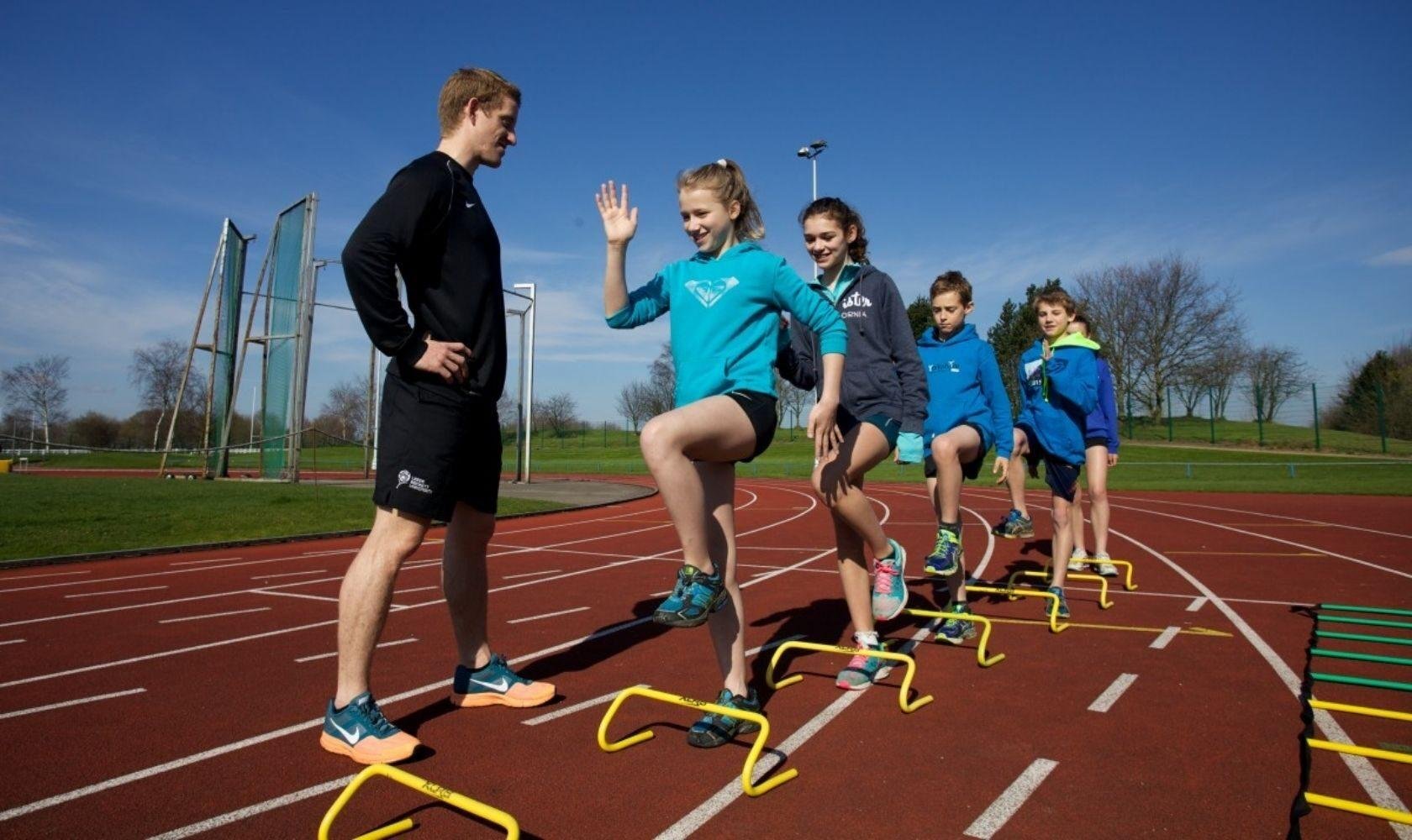
Why Young Athletes Need Better Training and Sports Facilities
Young athletes need more than natural talent to succeed in competitive sports. Quality coaching, suitable training facilities, proper equipment and opportunities to participate in competitions all contribute to an athlete's development.
For many aspiring players, access to these resources can make a meaningful difference between enjoying sports recreationally and pursuing a professional career.
The Importance of Quality Coaching
Good coaches help young athletes learn the fundamentals of their sport, improve their technique and understand competition strategies. They also teach discipline, teamwork and the importance of consistent practice.
Coaching should be appropriate for an athlete's age and experience. Training programmes that gradually increase in intensity can help young players improve without placing unnecessary physical demands on their developing bodies.
Access to Safe Sports Facilities
Well-maintained grounds, courts, tracks and indoor training spaces allow athletes to practise in suitable conditions. Equipment should be safe, accessible and appropriate for the sport being played.
Schools, sports clubs and local organisations can help by maintaining facilities and creating opportunities for children from different backgrounds to participate.
Fitness, Nutrition and Recovery
Athletic performance depends on several factors, including physical conditioning, balanced nutrition, hydration and sufficient rest.
Young athletes should receive guidance that matches their individual needs. Recovery days and adequate sleep are important parts of training, not signs of weakness.
Qualified coaches and healthcare professionals can help identify appropriate training loads and address concerns about injuries or fatigue.
The Role of Schools and Communities
Schools can introduce students to different sports and help identify interests and abilities at an early stage. Local competitions give young athletes opportunities to practise under pressure and learn from both victories and defeats.
Community sports programmes can also reduce barriers to participation by offering affordable coaching, shared equipment and accessible venues.
Mental Strength and Education
Sports development involves more than physical performance. Young athletes need confidence, concentration and the ability to manage disappointment when results do not go their way.
Education should remain part of their development. Balancing studies with training can help young people maintain broader opportunities while pursuing their sporting ambitions.
Building a Sustainable Sporting Future
Long-term athlete development requires cooperation among coaches, families, schools, sports organisations and communities. Investment in facilities and training can create better opportunities, but programmes should also prioritise safety, inclusion and enjoyment.
Success should not be measured only by medals. Participation, personal improvement, teamwork and healthy habits are valuable outcomes as well.
Conclusion
Young athletes are more likely to develop their potential when they have access to skilled coaching, safe facilities, appropriate training and consistent support. By investing in grassroots sports and inclusive programmes, communities can help more young people enjoy sports and pursue competitive opportunities.


Comments (0)
Log in or create an account to join the conversation.
No comments yet. Be the first to share your thoughts.